

Principle: Measure Progress Against Your Starting Point
Dan Sullivan calls it the Gap and the Gain.
The GAP is the distance between where you are and where you want to be. The GAIN is the distance between where you started and where you are now.
Most of us live in the Gap. Our brains are wired to measure forward toward targets, outcomes, and standards not yet met. Evolution built us to scan for what’s missing, not to savour what’s been secured. The Gain doesn’t set off any alarms, the Gap does.
When everything is measured against what hasn’t happened yet, the work that has already been done becomes invisible. Coaches who made a tangible difference last season are already onto the next one. They never stop to register what they built. They never notice the gain.
Sullivan’s advice: give yourself five minutes in the Gap. Then move forward. Look where you started and where you are now. Notice the Gain. Measure it, or you’ll miss it.
Perspective: Looking Back
That’s easier to read than to do. Particularly in elite environments that are built around forward momentum. The next game. The next block. The next recruit. The standard we haven’t hit yet.
The rewire requires intentionality. It requires a system. And it starts with a simple act: looking backwards. You can’t coach progress if you don’t measure from where it started.
The gains don’t announce themselves while gaps always do. So unless you build a deliberate practice of looking backwards with your staff, with your athletes, in your own thinking, the gap wins. Without time spent in your gains, you will never see the evidence of the growth.
Story: Dave Brailsford and the Gains Nobody Could See
When Dave Brailsford took over British Cycling in 2002, the programme had won a single Olympic gold medal in 76 years. He didn’t set a target and measure toward it. He set a baseline and measured backwards from it.
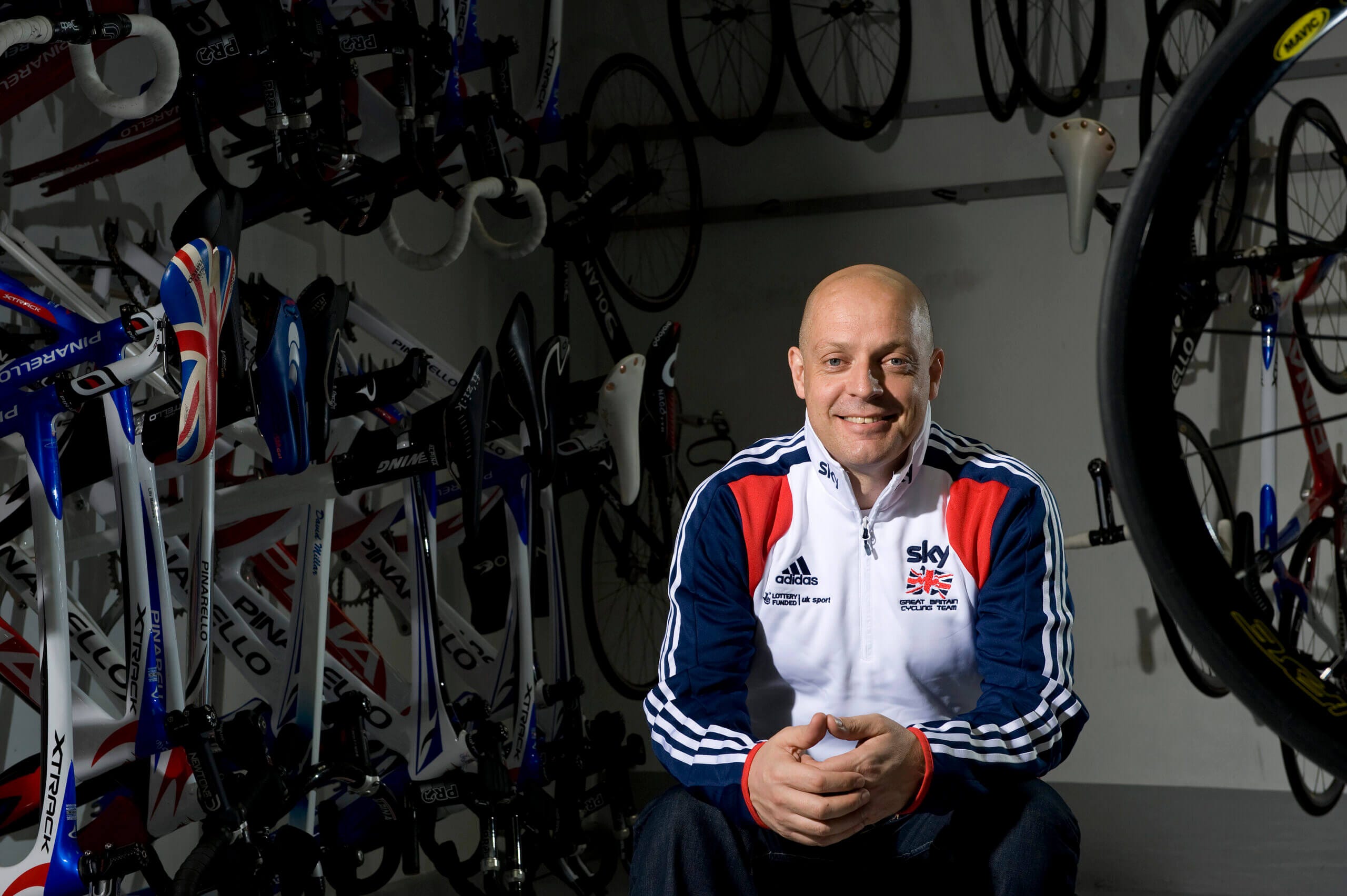
Every marginal gain — aerodynamics, nutrition, sleep quality, even the type of pillow riders used — was tracked from where they started, not against where they wanted to be. 1% better than yesterday. Then the next day. Then the next.
In real time, it was invisible. There were no scoreboard moments. Just small, accumulating gains that nobody outside the programme could see. The athletes themselves could only feel them if they deliberately looked backwards at where they’d been.
At the 2008 Beijing Olympics, Great Britain won seven out of ten available gold medals in track cycling.
At the 2012 London Games, they did it again.
The gains had been there the whole time. They just had to be named, tracked, and trusted before the results showed up.
Question:
When is the last time you stopped — with your staff, your athletes, or just yourself — and looked backwards at what has actually been built?
Not what’s missing. What’s there.
Closing:
The gap will always be visible. It announces itself.
The gain has to be named by you. Intentionally. Regularly.
Look backwards so you know what you’re building forward from.
Until next week,
Caleb Cousens